The digital landscape is in constant flux, and at its forefront, a revolution is brewing. Artificial intelligence (AI) automation, once a buzzword relegated to science fiction, is now a tangible force reshaping industries, and perhaps nowhere is its impact more profound than in the realm of content creation. For artists, writers, musicians, designers, and every digital artisan in between, AI is no longer just a tool; it’s becoming a collaborator, an efficiency booster, and a gateway to unprecedented creative potential.
This isn’t about replacing human ingenuity, but augmenting it. AI automation for creators is about streamlining tedious tasks, unlocking new avenues for expression, and ultimately, allowing creators to focus on what they do best: crafting compelling, original, and meaningful content. Let’s dive into how this powerful synergy is unfolding.
What Exactly is AI Automation for Creators?
At its core, AI automation for creators refers to the use of artificial intelligence technologies to perform repetitive, time-consuming, or complex tasks within the creative workflow. This can range from generating initial drafts of text or code, creating visual assets from prompts, composing background music, optimizing content for search engines, to even managing social media presence.
Instead of manually sifting through hours of footage, writing repetitive descriptions, or brainstorming endless variations, creators can now leverage AI to handle these aspects, freeing up valuable mental bandwidth and time.
The Unlocking Potential: Key Benefits for Creators
The integration of AI into creative workflows offers a multitude of advantages:
- Unprecedented Efficiency and Time Savings: This is the most immediate and obvious benefit. Imagine cutting down the time spent on mundane tasks from hours to minutes. AI can draft blog outlines, generate social media captions, edit rough video cuts, or even produce placeholder music, allowing creators to dedicate more time to high-level conceptualization and refinement.
- Keyword Opportunity: AI automates repetitive tasks, saving creators significant time.
- Enhanced Creativity and Ideation: AI tools can act as brainstorming partners. Stuck on a concept? An AI can generate numerous variations of an idea, suggest plot twists for a script, propose color palettes for a design, or even create entirely new stylistic avenues you might not have considered. It pushes the boundaries of what’s possible, sparking new directions.
- Keyword Opportunity: AI stimulates creative ideas and provides unique content variations.
- Scalability of Content Production: For creators looking to grow their audience and output, AI automation is transformative. It enables a higher volume of content to be produced without a proportional increase in manual effort. This is crucial for maintaining consistent engagement across multiple platforms.
- Keyword Opportunity: Scale content production with AI-driven automation.
- Personalization at Scale: AI can analyze audience data to help creators tailor content to specific segments. This could mean generating personalized email subject lines, recommending specific content to individual followers, or even creating customized video intros based on viewer preferences.
- Keyword Opportunity: Personalized content creation using AI.
- Accessibility and Democratization: AI tools are increasingly becoming more accessible and user-friendly. This democratizes complex creative processes, making sophisticated content creation techniques available to individuals who might not have had the technical skills or resources previously.
AI in Action: Practical Applications for Every Creator
Let’s explore how AI automation is being applied across different creative disciplines:
1. For Writers and Content Creators:
- AI Writing Assistants (e.g., Jasper, Copy.ai, ChatGPT): These tools can generate blog post drafts, social media updates, email newsletters, ad copy, video scripts, and even fiction. They can help overcome writer’s block, suggest topic ideas, expand on bullet points, and rephrase content for different platforms.
- SEO Optimization Tools (e.g., SurferSEO, SEMrush integrated AI): AI can analyze search trends, suggest relevant keywords, optimize meta descriptions and titles, and even help structure articles for better search engine ranking.
- Keyword Opportunity: AI for SEO content optimization and keyword research.
- Grammar and Style Checkers (e.g., Grammarly, ProWritingAid): Advanced AI-powered tools go beyond basic spell-checking to improve clarity, tone, conciseness, and overall readability.
2. For Visual Artists and Designers:
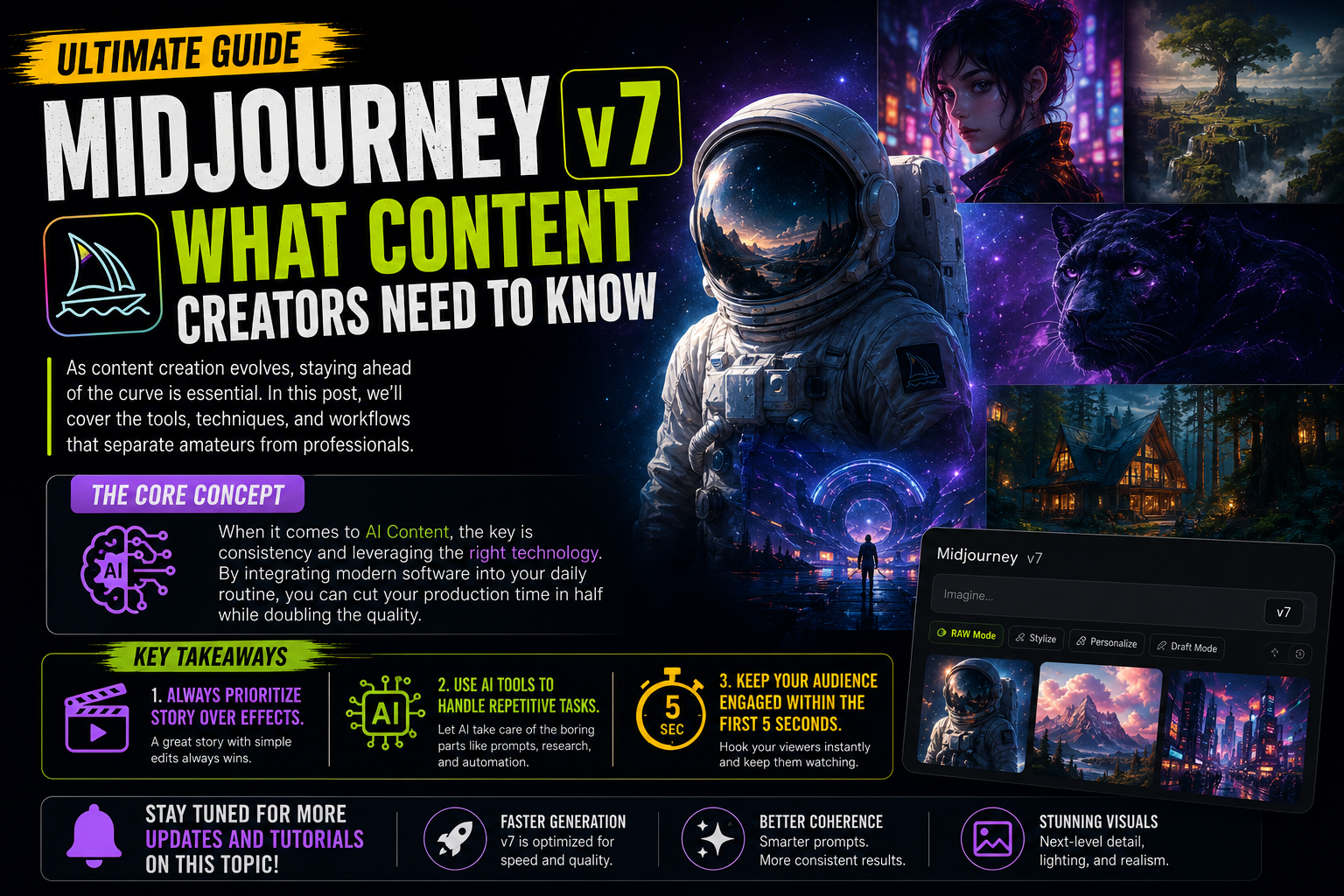
- Generative AI Art Tools (e.g., Midjourney, Stable Diffusion, DALL-E 2/3): Creators can generate unique images, illustrations, concept art, and digital paintings from simple text prompts. This allows for rapid prototyping of visual ideas and the creation of unique assets that stand out.
- Keyword Opportunity: Generative AI for art and image creation.
- AI-Powered Design Software (e.g., Adobe Sensei features, Canva’s Magic Studio): Tools within design suites can automate tasks like background removal, object selection, image enhancement, content-aware filling, and even suggest design layouts based on content.
- 3D Modeling and Animation: AI is beginning to assist in generating 3D models from images or text and automating parts of the animation process.
3. For Video Editors and Filmmakers:
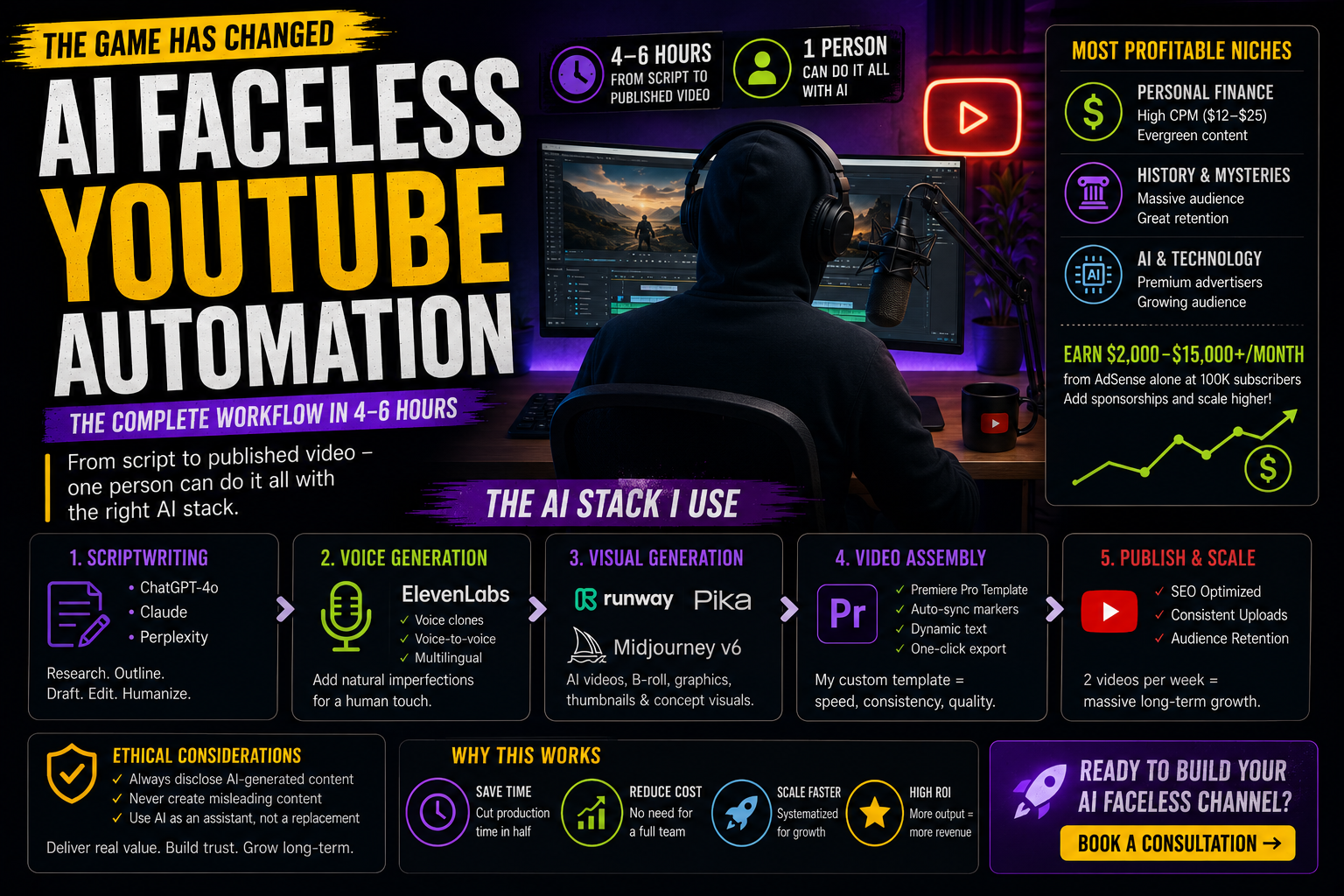
- AI Video Editing Tools (e.g., Descript, Pictory, RunwayML): These platforms can automatically generate video clips from text, create highlight reels, transcribe footage, remove filler words, color-correct footage, and even add AI-generated voiceovers or background music.
- Keyword Opportunity: AI for video editing and automatic content generation.
- Script-to-Video AI: Tools that take a written script and automatically assemble relevant stock footage, images, and voiceovers to create a video.
- AI Storyboarding and Animatics: AI can help visualize scenes, generate storyboards from scripts, and assist in the creation of pre-visualization.
4. For Musicians and Audio Engineers:
- AI Music Generators (e.g., Amper Music, AIVA, Soundraw): These tools can compose original music in various genres, moods, and tempos, ideal for background music in videos, podcasts, or games. Creators can influence the style, instrumentation, and duration.
- Keyword Opportunity: AI music composition and royalty-free tracks.
- AI Audio Mastering and Mixing: Tools that can automatically equalize, compress, and balance audio tracks, providing studio-quality sound with minimal manual input.
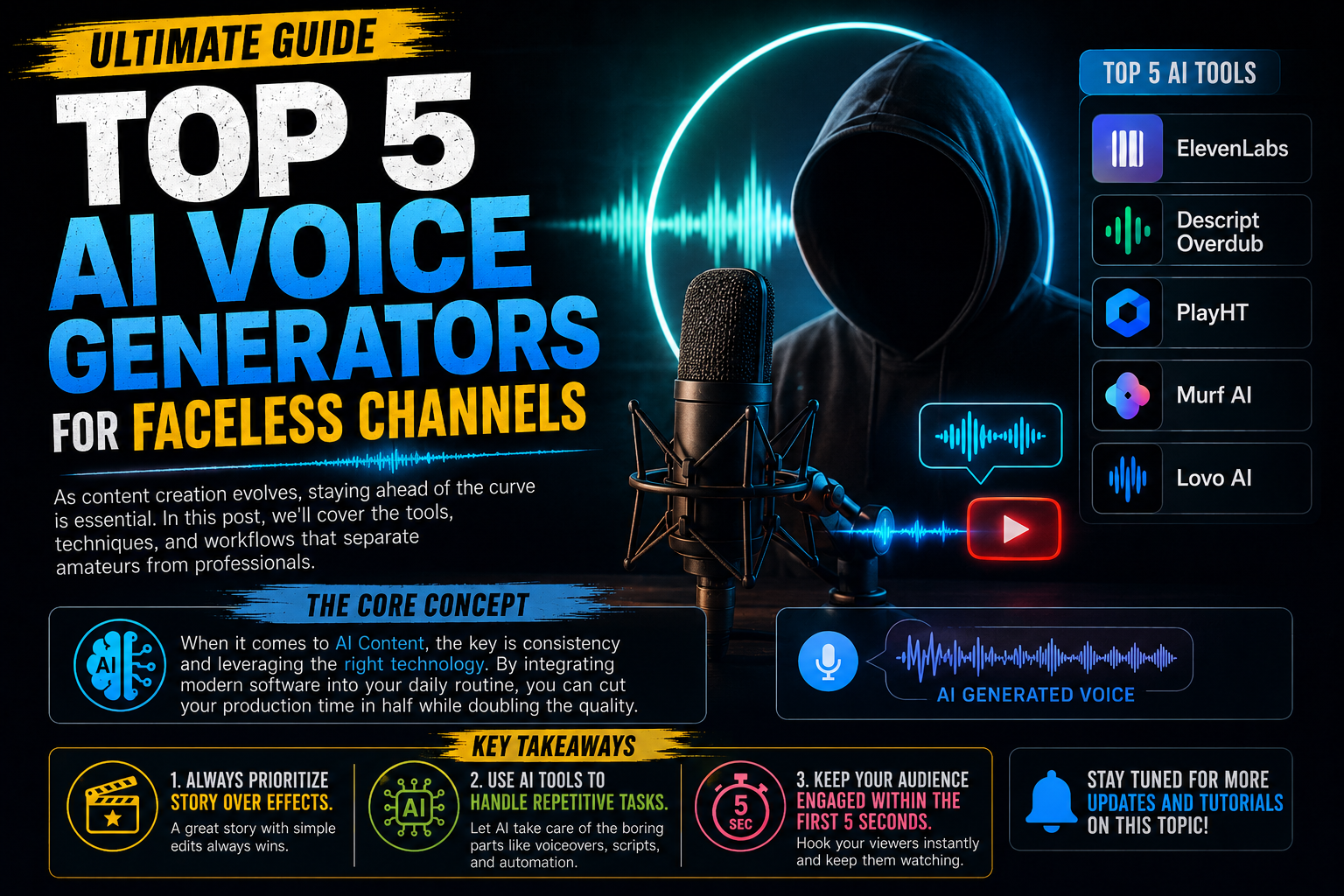
- Voice Synthesis and Deepfakes: While ethically sensitive, AI can generate realistic voiceovers or even replicate specific vocal styles for creative projects.
5. For Social Media Managers and Marketers:
- AI Content Scheduling and Optimization: AI can analyze platform engagement data to suggest the best times to post and generate optimized captions and hashtags for maximum reach.
- AI Analytics and Sentiment Analysis: Understanding audience perception is crucial. AI can analyze comments and mentions to gauge sentiment, identify trending topics, and provide actionable insights.
- AI Chatbots: For community management, AI chatbots can handle frequently asked questions, provide instant support, and segment audience inquiries, allowing creators to focus on more complex interactions.
Navigating the Ethical Landscape and Future-Proofing
As AI automation becomes more pervasive, it’s crucial to acknowledge and address the ethical considerations and potential challenges:
- Originality and Authenticity: An ongoing debate revolves around what constitutes “original” work when AI is involved. Creators must ensure they are using AI as a tool for augmentation, not as a replacement for their unique voice and vision. Transparency about AI usage is becoming increasingly important.
- Keyword Opportunity: Ethical AI for content creation, AI authenticity.
- Copyright and Ownership: The legal frameworks around AI-generated content are still evolving. Who owns the copyright of an AI-generated image or text? Creators need to be aware of the terms of service of the AI tools they use and stay informed about new legislation.
- Bias in AI Models: AI models are trained on vast datasets, and these datasets can contain inherent biases. This can lead to AI generating content that reflects societal prejudices. Creators must be vigilant in identifying and mitigating biased outputs.
- The Human Touch: While AI can automate, it currently lacks genuine human emotion, lived experience, and nuanced understanding. The most successful creators will be those who master how to integrate AI while preserving their authentic human voice and personal connection with their audience.
Future-Proofing Your Creative Career:
To stay ahead, creators should:
- Embrace Lifelong Learning: The AI landscape is evolving at lightning speed. Continuously learn about new tools and techniques.
- Develop a Critical Eye: Don’t blindly accept AI outputs. Always review, edit, and refine AI-generated content to ensure it aligns with your brand and quality standards.
- Focus on Uniquely Human Skills: Empathy, critical thinking, storytelling, strategic vision, and deep emotional connection are still domains where humans excel. Cultivate these.
- Experiment and Adapt: Play with different AI tools. See how they can fit into your specific workflow. Adapt your process as new AI capabilities emerge.
Conclusion: The Co-Creative Future
AI automation is not a threat to creativity; it’s an unprecedented opportunity. It’s empowering creators to break free from the mundane, explore uncharted territories of imagination, and connect with their audiences on deeper, more personalized levels. The future of content creation is a co-creative one, where human vision guides AI’s powerful capabilities to produce work that is more innovative, efficient, and impactful than ever before.
By understanding, adopting, and thoughtfully integrating AI automation, creators can not only enhance their current work but also position themselves at the vanguard of the next era of digital artistry. The renaissance is here, and AI is its catalyst. ‘’’